High School

The arts
We are committed to encouraging our girls to engage in artistic pursuits through our dynamic Music, Drama and Visual Arts programmes. We see these interests as a vital cog in an overall education. The arts help students to attain life skills, not only competencies in a specific artistic discipline.
Apart from being rewarding, the arts draw on skills and abilities that encourage the development of study, social and personal skills in addition to specific artistic techniques. Involvement in the arts teaches students how to try new things, develop self-confidence, compassion and empathy, and how to manage risk and handle disappointments.
It teaches students to celebrate the experience of learning, offering a multitude of options for expression and communication of ideas from a range of perspectives. These kinds of communication and problem-solving skills are key predictors of success throughout tertiary education and life.
Furthermore, a robust arts programme in schools has the potential to cultivate a lifelong interest in the arts and in so doing, support the arts as a profession.

Music
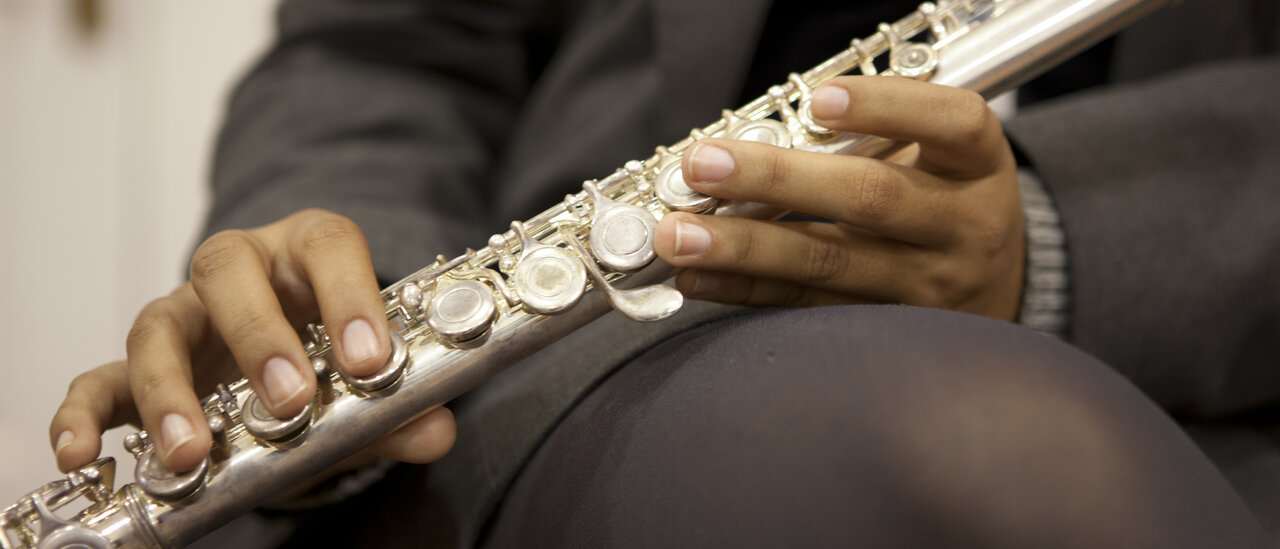
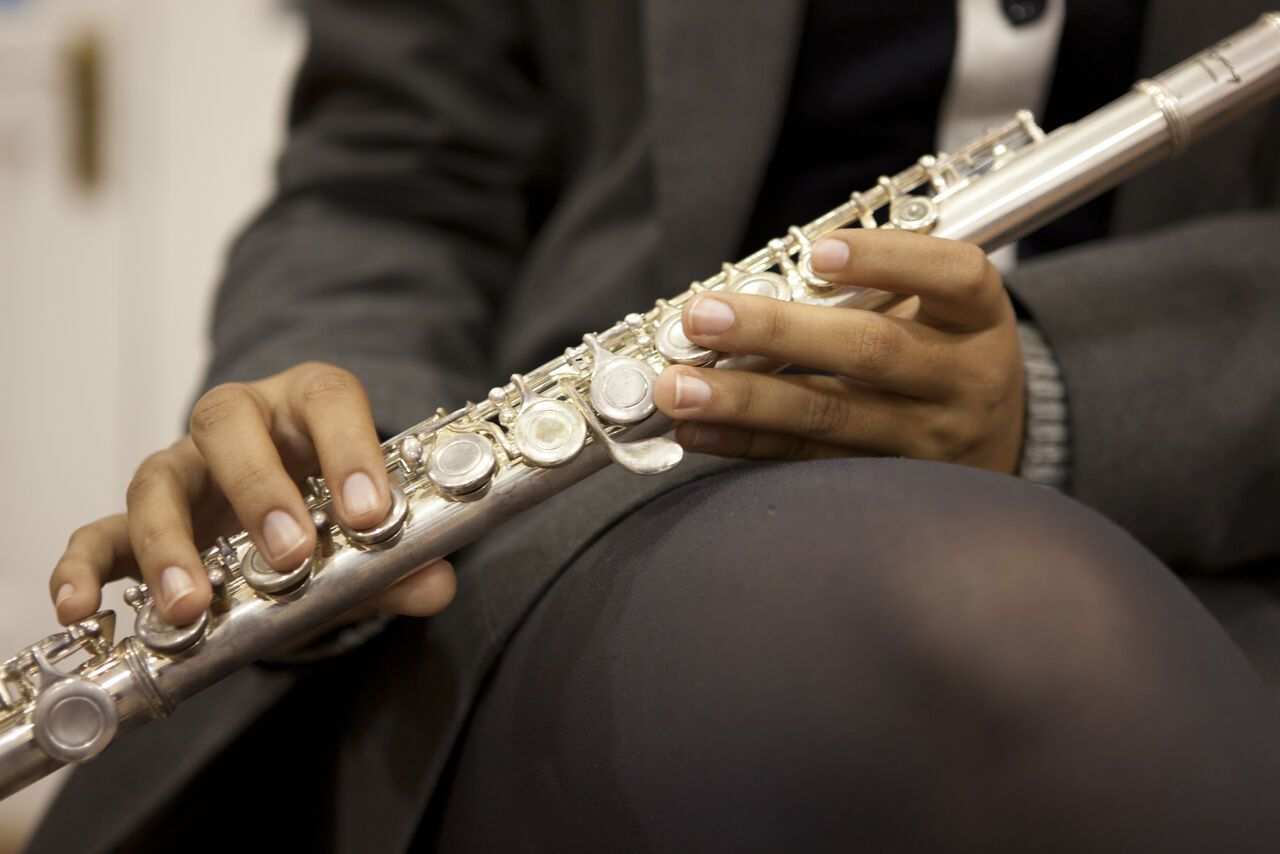
With more than 600 students learning an instrument, the St Cyprian’s Music Department is a vibrant and dynamic part of school life. Our team includes 11 full-time staff members and over 30 specialist part-time teachers, offering tuition on almost every orchestral, band and contemporary instrument.
Our music programme is based on a long-term musicianship development (LTMD) approach. This draws on the pedagogical approaches of Kodály and Orff. This carefully crafted programme curates the musical journey of students at the school from Grade 000 to matric, resulting in students that are musically literate, have an innate ear and are prepared to engage in their musical instrument of choice. Singing is used throughout the musical journey. In the early years, this approach is modelled on natural language and learning (intentional sequencing).
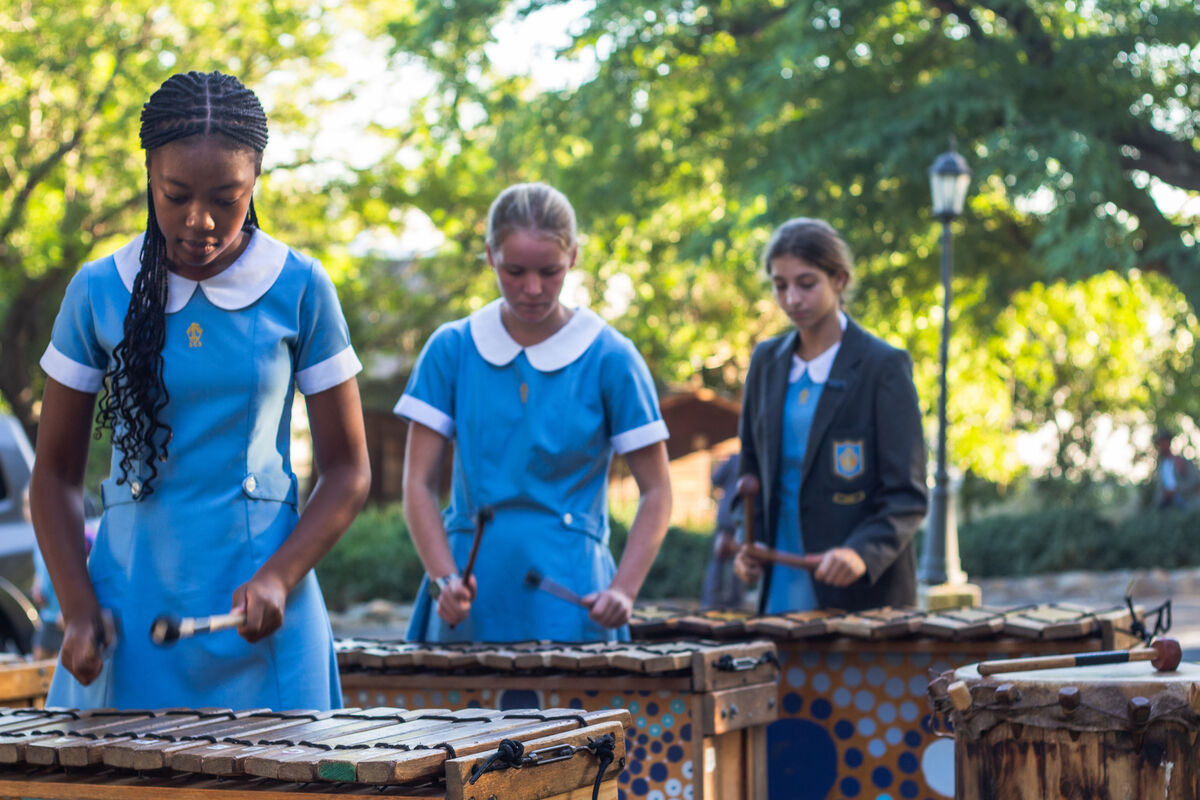
While the programme is rooted in a strong classical tradition, students also participate in thriving rock, jazz and African music programmes, giving them the opportunity to explore a wide range of musical styles and develop broad musical skills.
Students are encouraged to take Music as an academic subject through to matric, with both IEB and Cambridge options available. St Cyprian’s is an examination centre for both ABRSM and Trinity College London, and students regularly participate in internal and external Eisteddfods and competitions.
The academic music programme has achieved exceptional results, including one of the largest IEB Music classes in the country and many students placing within the top 1% nationally.
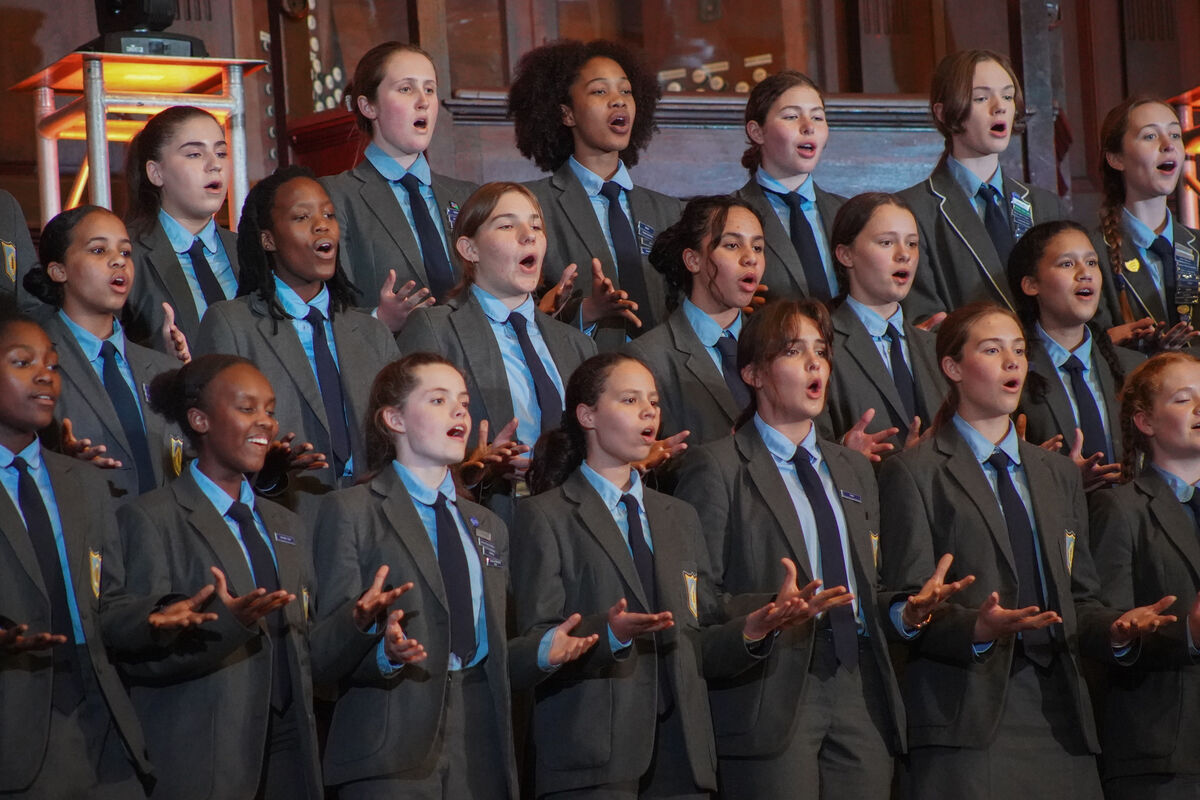
Our ensemble programme lies at the heart of the department. Core ensembles include large choirs, a full symphony orchestra and a wind band. In addition, students participate in a wide range of smaller ensembles including rock bands, big band, jazz combos, marimba bands, sting ensembles, African drumming groups, a classical guitar ensemble and a chamber choir.
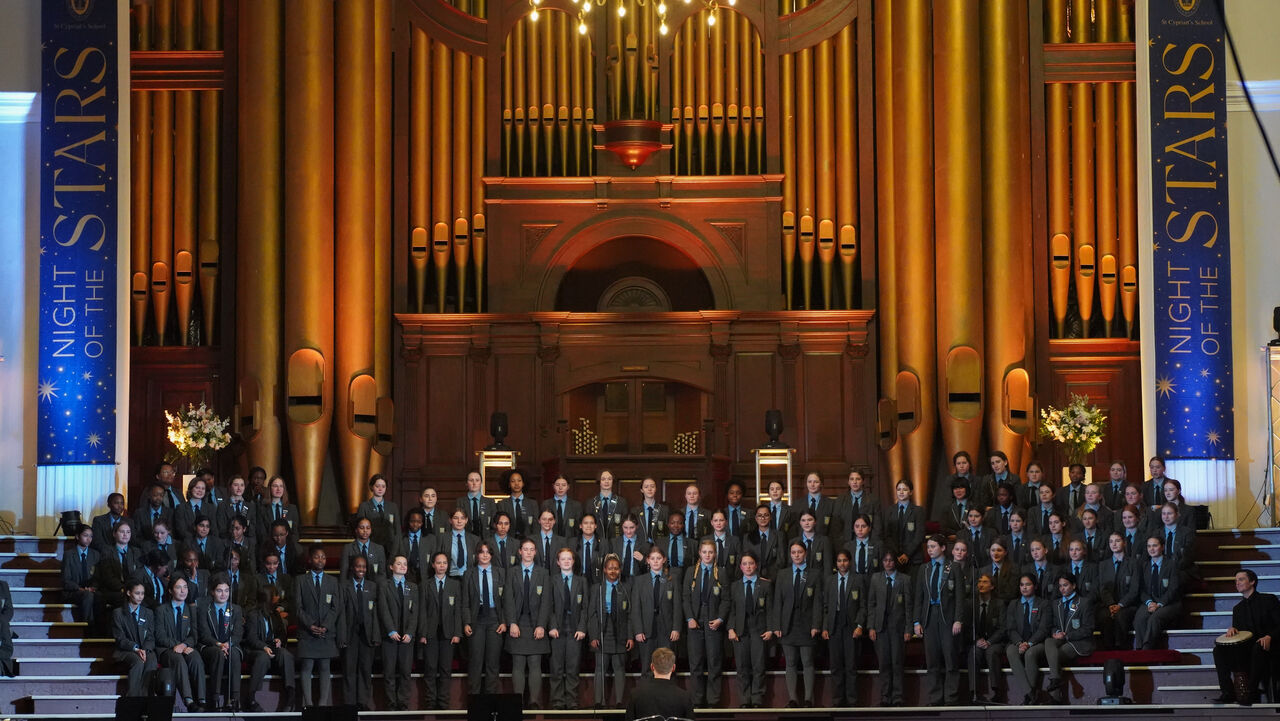
The St Cyprian’s Chapel houses a beautiful pipe organ, and students have the opportunity to learn the instrument and perform regularly at school chapel services.
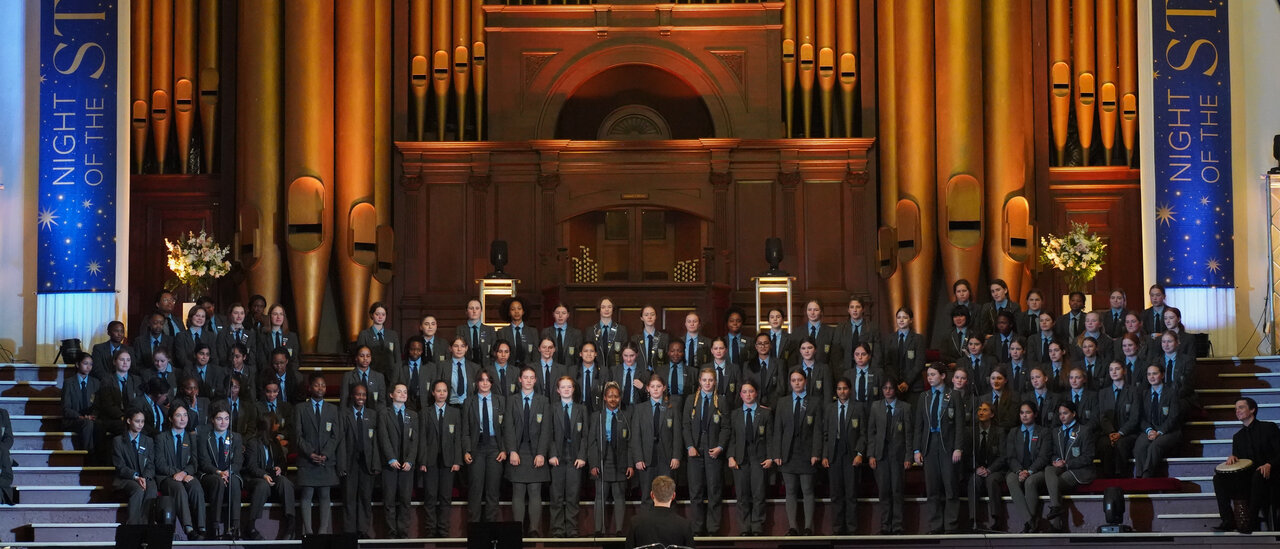
Every three years, the St Cyprian’s Music Department presents an incredible music event called Night of the Stars. The concert follows a “Classic Pops” format: the first half features classical music, while the second half breaks musical boundaries, combining African, jazz, electro and rock into a spectacular musical extravaganza.
Our choirs also enjoy a strong international profile. Previous tours have included performances in Rome, Budapest and Vienna, with the choir scheduled to perform in Barcelona in the near future. The ensemble has received outstanding results at numerous local and international choir competitions and festivals.
Dance
The St Cyprian’s School of Dance programme offers a comprehensive curriculum in ballet and modern dance, serving students from pre-school through to Grade 12.
Our programme aligns with globally recognised standards set by the Royal Academy of Dance (RAD) and the Association of International Dance Teachers (AIDT), providing students with opportunities to participate in examinations, festivals and performances.

Drama
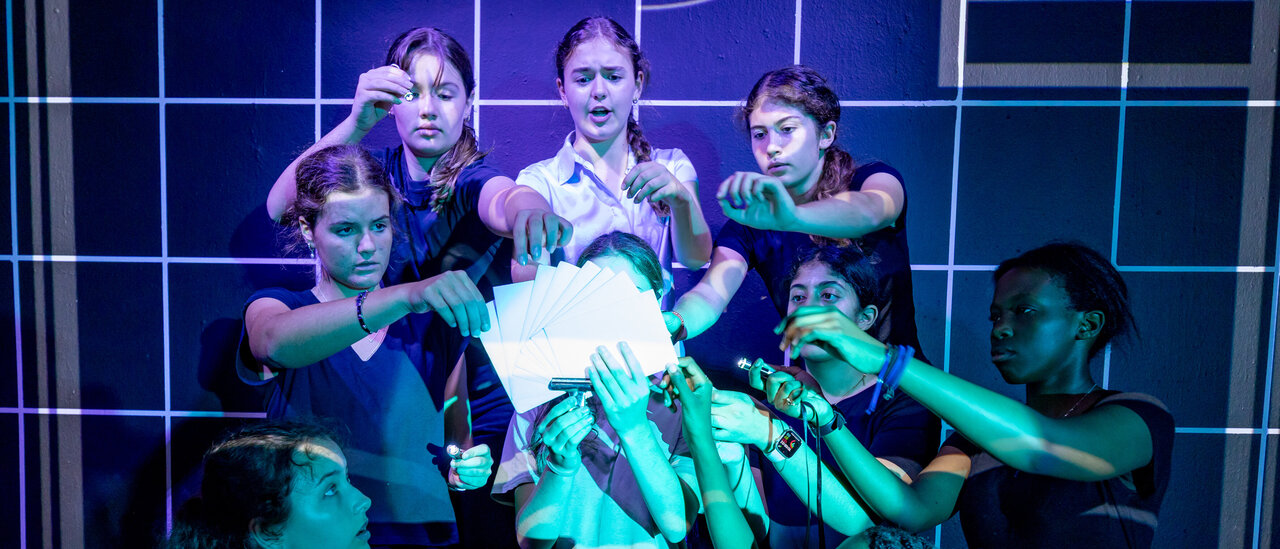
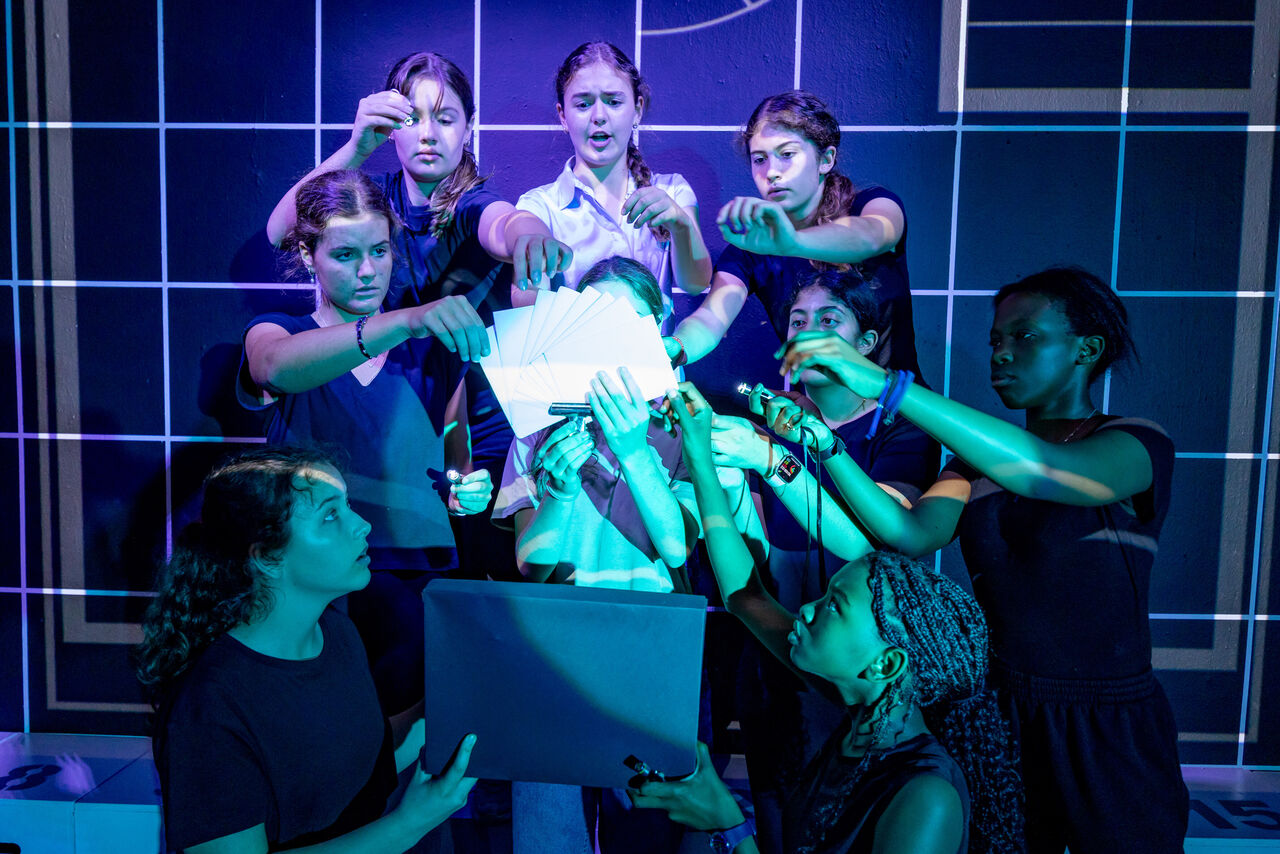
Drama and theatre teach us about life and how to be human. In the rehearsal room and on stage, students step into lives beyond their own, testing ideas, emotions and choices in a space that is both safe and genuinely challenging. They learn to give voice to their and others’ stories, think critically about what matters and imagine who they are and who they might become.
At the same time, Drama develops skills that reach far beyond the classroom: collaboration, clear communication, empathy, flexibility and the courage to take considered risks. By seeing the world through multiple perspectives, we learn to listen, respond thoughtfully and to engage meaningfully with others.
In an unpredictable and rapidly changing world, theatre offers a rare space where young people can think clearly, feel deeply and connect authentically with themselves, others and the world they are entering.
Drama stretches your mind, feeds your imagination and helps you grow as a person – not just as a student. We offer Drama in the classroom as part of our subject offer (which includes participation in festivals such as the Schools Shakespeare Festival) and beyond the classroom: all students have the opportunity to participate in the annual Inter-House Play competition and major school productions.

Art and design
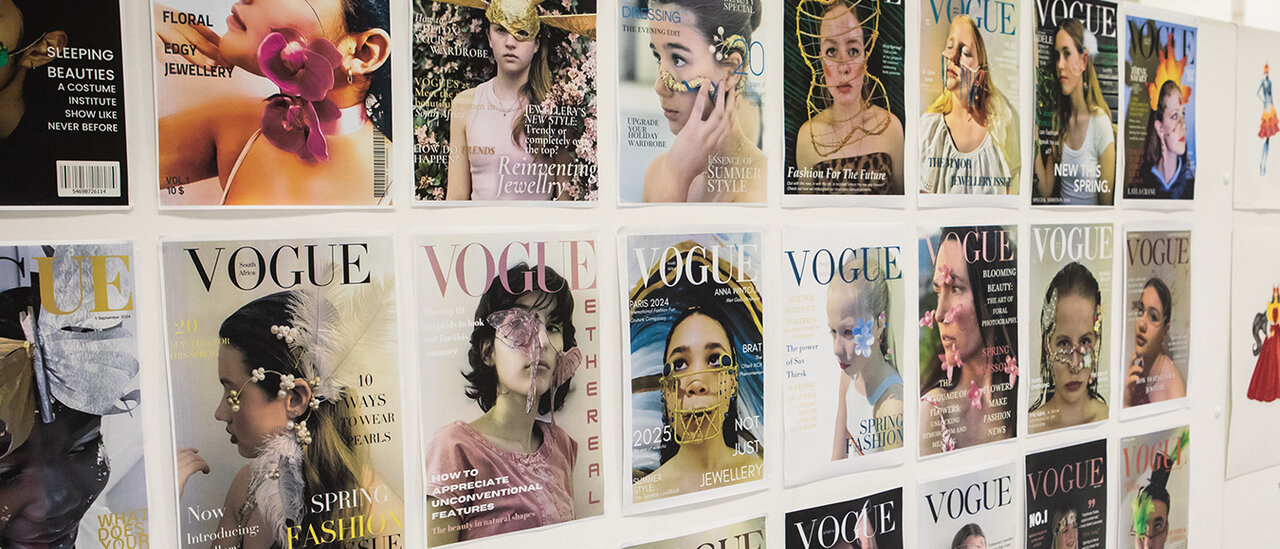
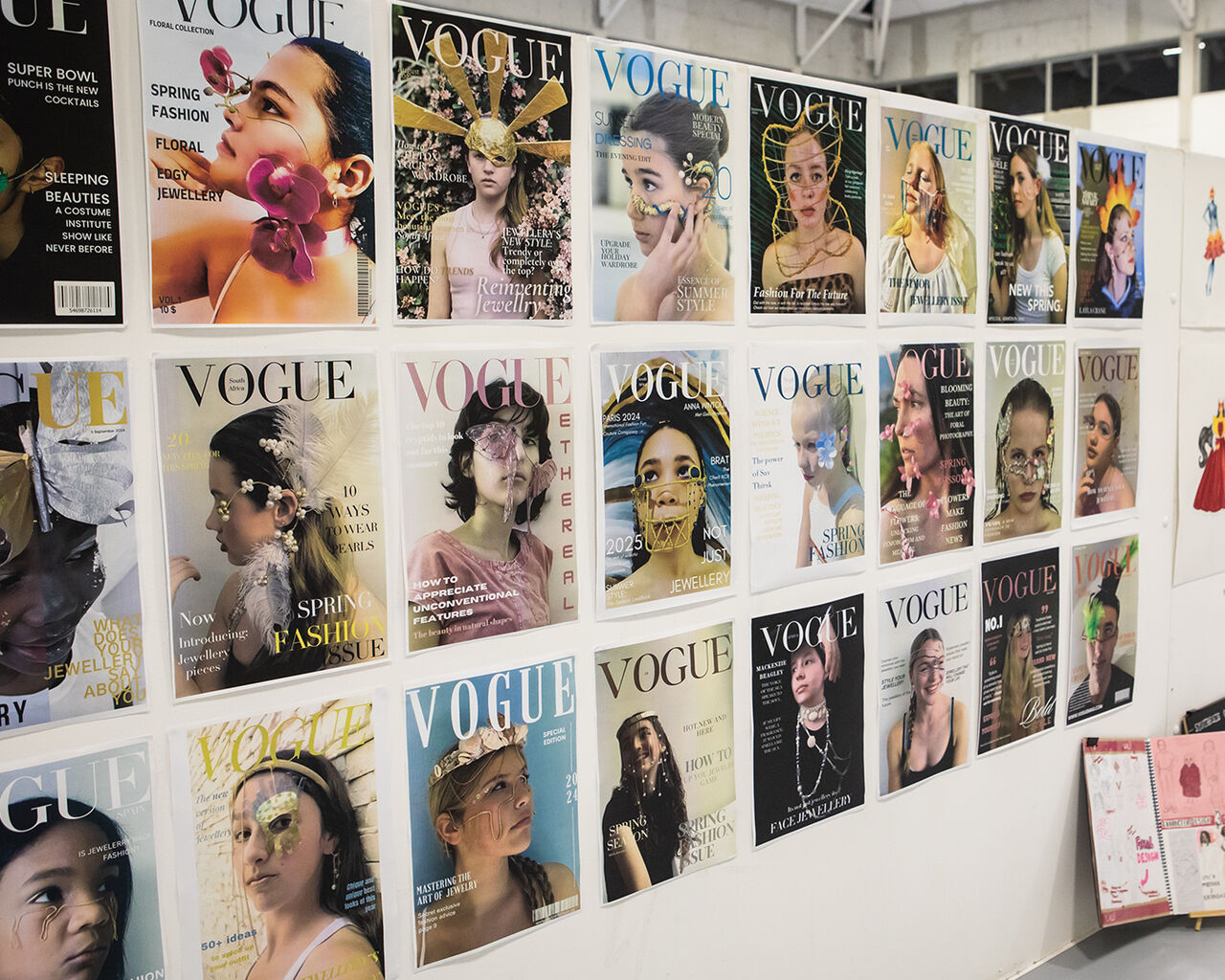
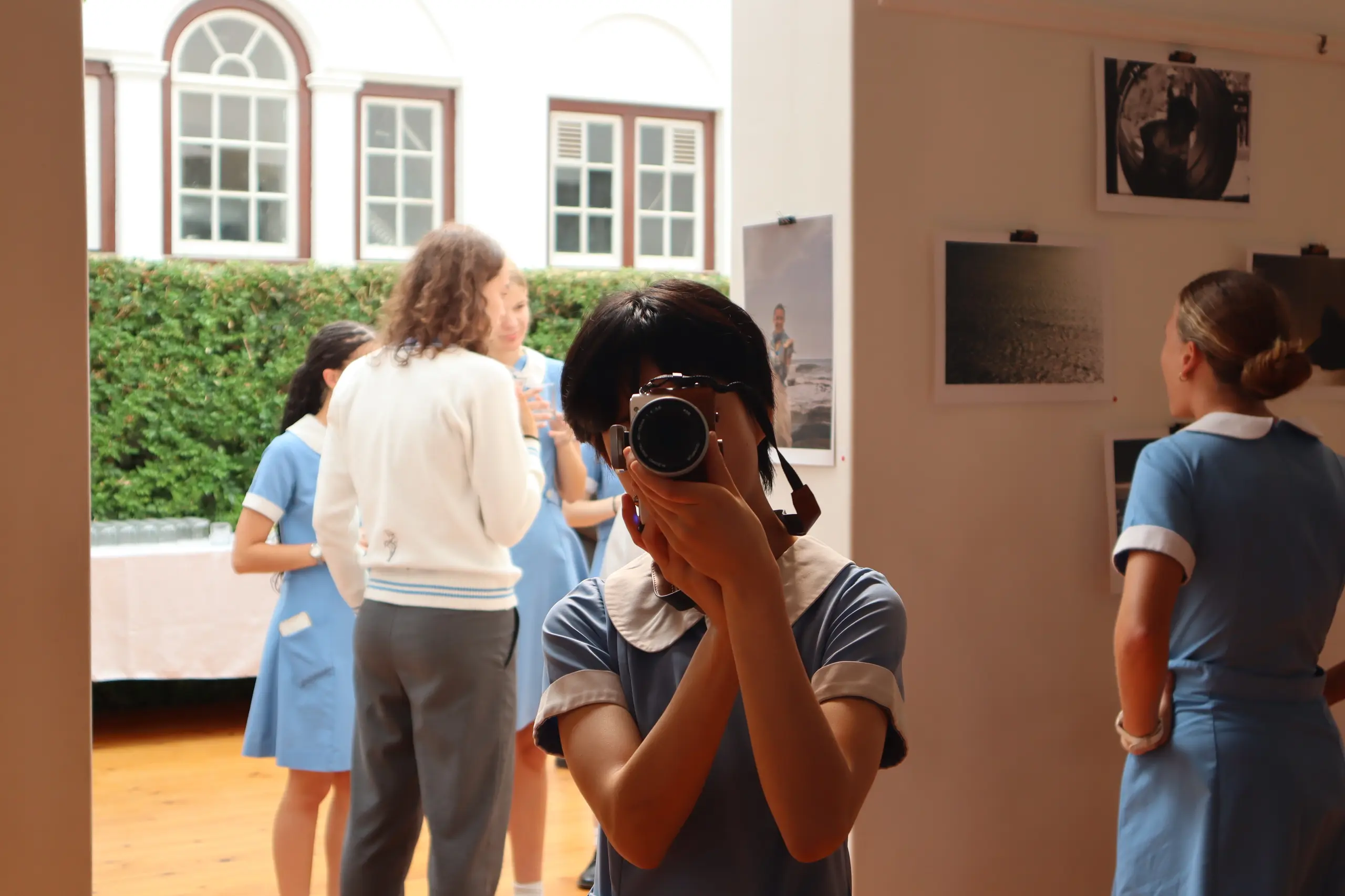
Art and Design advocate creative thinking and emphasise skilful craftsmanship as valuable, transformative and critical competencies that enable our students to become thoughtful and impactful members of society.
We strive to prepare students to engage in a visual world, both as creators and as informed observers. Our programmes encourage and motivate students to explore, discuss and critically evaluate visual culture and history, while also recognising and responding to new directions in creative visual communication.
Technology is incorporated into both Art and Design to varying degrees, fostering aesthetic innovation and the ability to develop effective and efficient solutions.
Design introduces students to industry-relevant processes and software, while Art tends to maintain a stronger focus on traditional studio practices.
Our use of technology ranges from cutting-edge digital design, art software and laser cutting to more established techniques such as sewing, analogue photography, silkscreen printing and printmaking.